
Air conditioning isn’t traditionally all that popular in Italy, partly because of the amount of energy it consumes, partly because of a longstanding belief that if you’re exposed to cold currents, the dreaded colpo d’aria or ‘cold air blast’ will make you ill.
As climate change brings increasingly intense and long-lasting summer heatwaves to Southern Europe, however, things are changing.
In 2023, around 40 percent of Italian homes had AC units installed (60 in southern regions such as Sicily and Calabria, and 30 in cooler northern regions like Trentino-Alto Adige and Valle d’Aosta).
Though that’s more than double the number recorded in 2010, air conditioning is still nowhere near as ubiquitous as in countries like the US, where roughly nine in ten households have an AC unit.
If you own an Italian home, you could install your own AC system – but if you’re renting, you’ll first need to get permission from your landlord.
Even homeowners are subject to rules and restrictions on installing AC units, especially if the property is old or located in a historic area.
With all of that in mind, here are some alternative ways to stay cool when the next canicola hits.
Shutters
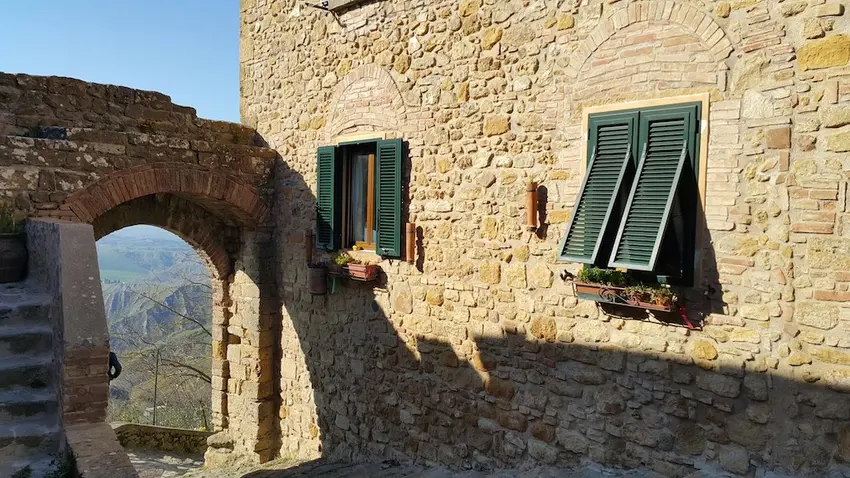
Shutters – known as persiane or serrande – can be found almost everywhere in Italy.
Used correctly, they do a great job of keeping the interior cool: the trick is to keep both the windows and the shutters closed during the day to keep out the hot air and sunlight.
You can then open shutters and windows in the evening or early morning, when the air outside is cooler, to ventilate the room.
If you live in a small apartment, it's better to keep internal doors closed too so that any heat generated by cooking doesn't filter into the bedroom, which you ideally want as cool as possible so that you can sleep.
Fans
Fans (ventilatori) are common in Italian homes, especially in the south, where many properties have ceiling fans already installed.
You can also buy free-standing electric fans, which are sold by almost all Italian electrical stores, as well as the smaller negozi casalinghi (homeware stores) found in most neighbourhoods.
It's a good idea to buy one at the start of the summer, as they tend to sell out rapidly in the first days of a heatwave.
A handy thing to keep in your bag or pocket on a hot day is the old-fashioned paper or fabric hand fan (ventaglio), which you'll see people all over Italy wafting themselves with on the hottest days.
Heat pumps
While it’s not a cheap option and probably not practical for tenants, a heat pump will keep your home cool in the summer as well as keeping it warm in the winter, acting as a one-stop-shop for all your heating and cooling needs.
The other advantage is that it does a lot less environmental damage than air conditioning: heat pumps are famously energy-efficient, and they don't use the polluting coolant chemicals that AC units rely on. Although the initial installation may be expensive, running costs are very low.
There are several tax incentives available in Italy for property owners and tenants who choose to install heat pumps.
READ ALSO: 'Gelato for lunch': Italy's official advice for keeping cool in summer
Insulation
It might sound counter-intuitive to be talking about insulation during a heatwave, but just like heat pumps, good insulation keeps your home warm in the winter and cool in the summer.
If you're a tenant, there are limits on the amount of work you can do, but if you’re a property owner, you can check that your home is properly insulated and that the windows fit well and keep out drafts.
As with heat pumps, there are tax incentives available to help with insulation costs.
When buying or renting a place, check out its energy rating score. A home that has a D rating or below is likely to be cold in winter and hot and stuffy in summer.
Dehumidifiers
Italian cities and inland towns and villages can get very humid during the summer, making temperatures feel several degrees hotter than they are.
Dehumidifiers don’t actually lower the room temperature. In fact, they release a small amount of heat as the exhaust vents back into the room. But if you’re in an area with high humidity, removing moisture from the air can make the heat feel much more bearable.
READ ALSO: Fried eggs and sweaty underpants: 10 phrases to complain about the heat like an Italian
You can buy portable dehumidifiers of varying sizes from most major electronics stores in Italy.
Eliminate heat bridges
If you have a balcony or terrace covered in heat-sucking concrete and a glass door or window right next to it, this is likely creating a ‘heat bridge’, funnelling heat directly into your home.
You can counter this effect by keeping outdoor spaces connected to your home cool: for example, by replacing concrete with wood panelling or using a parasol or awning to keep the outdoor space shady, lowering the temperature inside.
Plants can also play a big role in keeping the area around your windows cool. The greener your outdoor space, the better. Consider leafy plants that block sunlight in the summer, but lose their foliage in the winter (giving you more sun during the cold seasons).
If you need some more immediate relief while you consider which option is best for you, the best course of action is to head straight to your nearest gelateria for some ice cream – which in fact is part of the Italian government’s official advice for staying cool in a heatwave.
Comments